
We personally test every smart collar featured in our reviews unless otherwise noted. We do not rely solely on manufacturer claims or product pages.
Every dog collar we review on the website undergoes real-world testing with our Alaskan Klee Kai to evaluate performance in everyday conditions.
This page explains exactly how we test GPS and smart dog collars so you can understand how we reach our recommendations.
Setup & App Experience
We always begin our dog collar testing by unboxing and setup. We’ll download the app and start the onboarding process.
We assess how intuitive the dog collar app feels, whether instructions are clear, and how quickly the collar becomes usable out of the box.
This is important to ensure a smooth process for pet owners setting up their collar. If it’s overcomplicated, it can be frustrating and off-putting.
GPS Accuracy & Tracking Performance
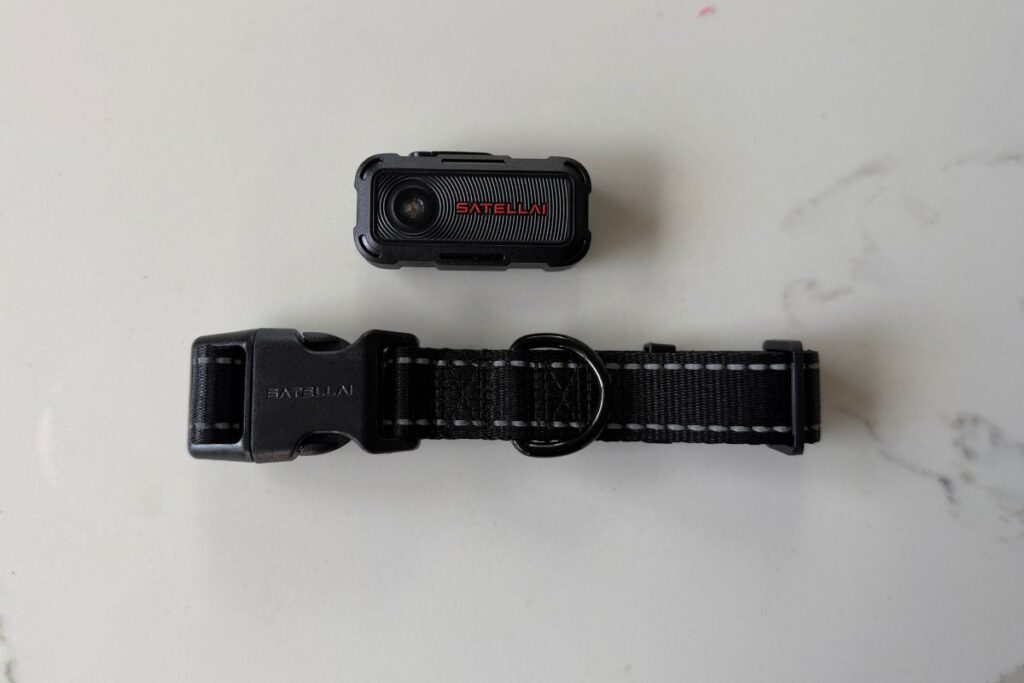
GPS reliability is one of the most important elements we test. We evaluate:
- Initial GPS lock time
- Accuracy in suburban environments
- Performance under tree cover
- Map refresh speed
- Real-time tracking delay
- Accuracy of escape notifications
We test collars during neighborhood walks, park visits, and controlled off-leash scenarios in our yard with our Klee Kai.
Copper and Skye have a high prey drive, so we will never test these collars outside of our home and yard to ensure their safety.
Battery Life Testing
Battery performance is tested over multiple days of normal use. We measure:
- Battery life with standard tracking enabled
- Battery drain during active GPS tracking
- Charging time
- Real-world lifespan vs advertised claims
We also evaluate whether battery performance declines significantly over time.
Fit, Comfort & Build Quality

Because Alaskan Klee Kai are athletic and sensitive breeds, comfort matters. Copper and Skye are small dogs, so we want their dog collars to feel comfortable.
We assess:
- Collar weight
- Fit adjustability
- Bulkiness on small-to-medium dogs
- Material quality
- Water resistance
- Durability during play and movement
We note whether the collar causes irritation or interferes with natural movement.
As I’ve previously shared, Copper has slipped his collar a few times. So we make sure it’s fit snug but secure.
Smart Features & Alerts
Depending on the collar, we evaluate additional features such as:
- Activity tracking
- Sleep monitoring
- Virtual fencing
- Training alerts (tone, vibration, correction)
- Health metrics
- Escape notifications
We assess not just whether the feature exists, but whether it works consistently and intuitively.
Subscription Value
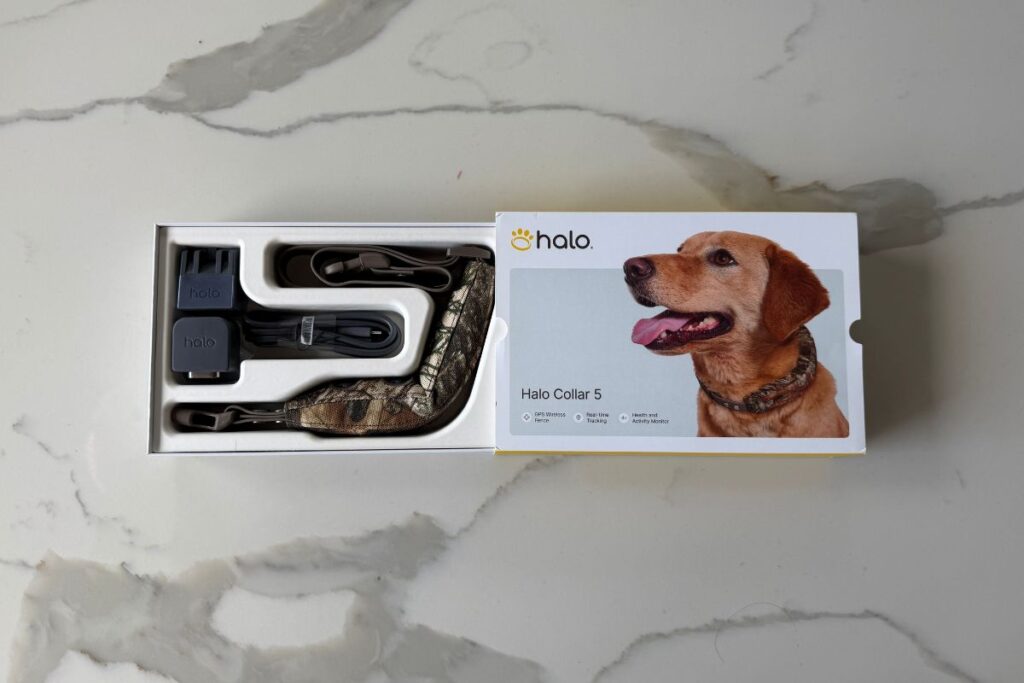
Most GPS collars require a monthly subscription.We evaluate:
- Monthly cost vs feature set
- Contract requirements
- Coverage (AT&T, Verizon, LTE, satellite, etc.)
- Long-term value compared to alternatives
We factor subscription costs into our overall recommendation.
Long-Term Use
Whenever possible, we continue using collars beyond the initial review period to evaluate:
- Software updates
- Hardware durability
- Battery degradation
- Customer service responsiveness
This helps us provide updated recommendations over time.
How We Score & Recommend
We do not use paid placements to determine rankings.
Our recommendations are based on:
- Performance
- Reliability
- Ease of use
- Subscription value
- Breed suitability (especially for small and medium dogs like Alaskan Klee Kai)
Some products may earn affiliate commissions if purchased through our links. However, this does not influence our testing process or conclusions.
Why This Matters

There are dozens of smart collars on the market, and specs alone do not tell the full story.
By testing collars in real-world conditions with our own dogs, we aim to provide transparent, experience-based recommendations — so you can choose the right collar for your needs with confidence.